Trending Topics
The Future Of Digital Art: Trends, Technologies, And Innovations
Feb. 12, 2025, 3:20 p.m. | Santoshadmin
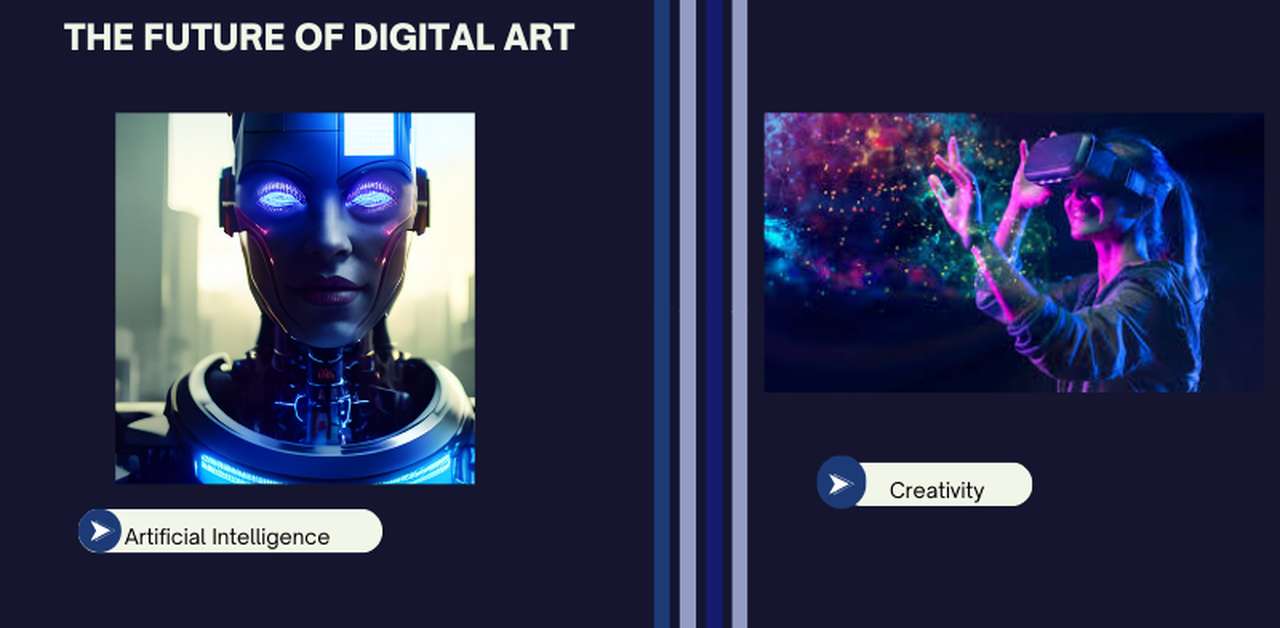
Digital art has undergone a significant transformation over the past few decades. With the advent of technology, artists now have tools that expand the scope of creativity beyond traditional methods. The rapid advancement of artificial intelligence (AI), blockchain, virtual reality (VR), and other innovative technologies is revolutionizing the way artists create, showcase, and monetize their work. In this comprehensive guide, we will explore the future of digital art and discuss how emerging technologies are shaping its evolution.
1. The Impact of Artificial Intelligence on Digital Art
Artificial intelligence is playing a crucial role in redefining digital art, enabling artists to explore new creative frontiers. AI-powered tools are not only assisting artists but also autonomously generating stunning artworks. Here’s how AI is shaping the future of digital art:
-
AI-Generated Art: AI models like DALL·E, Deep Dream, and MidJourney can generate intricate and unique pieces of art from simple text prompts. These tools allow artists to explore endless creative possibilities.
-
AI-Assisted Design: Many professional digital artists now use AI-driven software such as Adobe Sensei, RunwayML, and Deep Art Effects to enhance their creative processes. AI can suggest color palettes, enhance image resolution, and automate tedious design tasks.
-
Collaborative AI: Artists are partnering with AI to co-create art, blending human creativity with machine-generated outputs. This collaboration is leading to a new genre of hybrid art.
-
Personalized Art Experiences: AI algorithms can analyze user preferences and generate personalized art recommendations or even custom artwork tailored to individual tastes.
2. The Role of Blockchain and NFTs in Digital Art
Blockchain technology has transformed the digital art market by providing a decentralized and transparent system for artists to authenticate and sell their work. Non-Fungible Tokens (NFTs) have revolutionized digital ownership, allowing artists to monetize their creations in ways previously unimagined.
-
NFTs (Non-Fungible Tokens): NFTs provide a digital certificate of authenticity and ownership, allowing artists to sell unique, verified digital pieces. Platforms like OpenSea, Foundation, and Rarible have become major marketplaces for NFT-based digital art.
-
Decentralized Marketplaces: Unlike traditional art galleries, blockchain-based marketplaces allow artists to sell their work directly to collectors without intermediaries.
-
Smart Contracts: Automated contracts ensure that artists receive a percentage of sales every time their artwork is resold, providing long-term revenue opportunities.
-
Digital Scarcity: NFTs create a sense of exclusivity, increasing the value of digital art by making it unique and collectible.
3. Virtual Reality (VR) and Augmented Reality (AR) in Digital Art
VR and AR are reshaping the way audiences experience digital art, making it more interactive and immersive. These technologies are opening up new creative possibilities for artists and collectors alike.
-
VR Art Galleries and Museums: With platforms like Spatial, VRChat, and Decentraland, artists can showcase their work in virtual galleries, making art accessible to global audiences without geographical limitations.
-
Augmented Reality Installations: AR enables artists to create interactive art experiences that overlay digital elements onto the physical world. Apps like Artivive and Adobe Aero allow users to bring digital artwork to life.
-
3D Sculpting and Design: Software like Tilt Brush and Medium by Adobe allows artists to create detailed 3D sculptures in a virtual environment, revolutionizing digital sculpture and animation.
4. The Rise of Generative and Interactive Digital Art
Generative and interactive art is gaining traction as artists explore dynamic forms of creativity using algorithms, data, and real-time user interactions.
-
Generative Art: Artists use algorithms to create unique, ever-evolving artworks that change over time. Tools like Processing, TouchDesigner, and GANs (Generative Adversarial Networks) are widely used to create generative art.
-
Interactive Installations: Viewers can engage with digital artworks that respond to their movements, voice, or input, creating a more immersive artistic experience.
-
Data-Driven Art: Some artists use real-time data, such as stock market fluctuations or social media trends, to create visual representations that change dynamically.
5. Ethical Considerations and Sustainability in Digital Art
As digital art grows, ethical and sustainability concerns are becoming more prominent. Artists and platforms are seeking solutions to reduce the environmental impact of blockchain-based transactions and AI-generated art.
-
Eco-Friendly NFTs: Blockchain platforms like Tezos and Ethereum 2.0 are adopting energy-efficient protocols to reduce the carbon footprint of NFT transactions.
-
Copyright Protection: With AI generating art at an unprecedented scale, the question of ownership and copyright is becoming a significant legal issue.
-
Digital Preservation: Unlike traditional paintings that can last centuries, digital artworks are susceptible to technological obsolescence. Preserving digital art for future generations is an emerging challenge.
6. How Digital Art Will Shape the Future of Creativity
The evolution of digital art is not just about technology; it’s about redefining creativity itself. Here’s what we can expect in the coming years:
-
AI as a Creative Partner: Rather than replacing artists, AI will continue to assist them in exploring new styles and techniques.
-
The Metaverse and Art: The rise of virtual worlds and digital spaces will create new opportunities for artists to exhibit and sell their work.
-
Cross-Media Collaborations: Digital artists will collaborate across different industries, from gaming and fashion to film and music, expanding the influence of digital creativity.
-
Decentralized Art Communities: Artists will increasingly rely on decentralized platforms to share their work, interact with audiences, and gain financial independence.
Final Thoughts
The future of digital art is filled with boundless possibilities. As AI, blockchain, VR, and AR continue to advance, artists will have more tools at their disposal to push creative boundaries. Whether you’re a creator, collector, or enthusiast, staying informed about these emerging trends will help you navigate the evolving digital art landscape.
What are your thoughts on the future of digital art? Share your ideas in the comments below!
None
None
None
None
Related Posts
Seeking Guidance On Starting A Mobile App Development Journey
The mobile app industry is booming, with millions of applications available across different platforms. If you've ever dreamed of building …
Read more...

Fitness Routines For Busy Professionals: Stay Fit Despite A Hectic Schedule
Maintaining a fitness routine can be challenging for professionals juggling work, meetings, and personal responsibilities. However, staying active is essential …
Read more...