Trending Topics
Sir Phase 2 2025: Complete Guide To Eci's Voter Roll Update, Participating States, Timeline, Documen
Oct. 27, 2025, 3:15 p.m. | Santoshadmin
Image by:Media news
In the lead-up to the 2026 Assembly elections, the Election Commission of India (ECI) is making headlines with the rollout of nationwide Special Intensive Revision (SIR) Phase 2, a massive drive to clean up and modernize electoral rolls across the country. If you're searching for SIR Phase 2 details, Special Intensive Revision electoral rolls 2025, ECI voter list update, or nationwide SIR participating states, this in-depth guide breaks it all down. Launched on October 28, 2025, this phase targets 51 crore voters in 12 states and 6 Union Territories, aiming to add new eligible citizens, remove duplicates and deceased entries, and ensure no foreigner slips through the cracks.
As electoral rolls revision 2025 trends spike on Google—up 300% in the last week amid concerns over voter inclusion and citizenship proofs—this initiative couldn't be timelier. With Bihar's Phase 1 wrapping up smoothly (zero appeals filed!), Phase 2 promises even broader impact, covering poll-bound hotspots like Kerala, Tamil Nadu, and West Bengal. But what exactly is nationwide SIR, why is it sparking debates on Aadhaar's role, and how can you ensure your vote counts? We've scoured official announcements and expert analyses to deliver a plagiarism-free, SEO-optimized overview. Whether you're a first-time voter googling SIR voter registration process or a political watcher eyeing ECI SIR controversies, read on for actionable insights, timelines, and tips to navigate this democratic refresh.
What is the Nationwide Special Intensive Revision (SIR)? Unpacking the Basics
The Special Intensive Revision (SIR) is the ECI's flagship exercise to overhaul electoral rolls through door-to-door verification, ensuring accuracy, inclusivity, and integrity ahead of elections. Unlike routine annual summaries, SIR is a "special" intensive push triggered by gaps like migration, deaths, or errors—empowered under Section 21(3) of the Representation of the People Act, 1950. It's not just paperwork; it's a house-to-house enumeration where Booth Level Officers (BLOs) verify identities, addresses, and eligibility, pre-filling forms with existing data for efficiency.
This 2025 edition marks India's first nationwide SIR in over two decades, the last being the 2002-2004 drive. Kicking off in Bihar (Phase 1, covering 8 crore voters), it's now expanding coast-to-coast to sync rolls, cap polling stations at 1,200 voters per booth, and leverage ECINET—a digital platform integrating 40+ tools for real-time updates. For everyday Indians, SIR 2025 means cleaner voter lists, fewer duplicates from urban migrants, and stronger safeguards against ineligible entries. Trending queries like what is SIR ECI reflect growing awareness, especially as social media buzzes with #VoterRevision2025 posts questioning its fairness.
A Brief History: From Independence to 2025's Nationwide Push
Since 1952, ECI has conducted eight SIRs, each responding to electoral crises—like post-Emergency cleanups or pre-millennium tech upgrades. The 1977 Supreme Court ruling in Mohinder Singh Gill v. Chief Election Commissioner cemented ECI's autonomy, allowing proactive revisions without legislative micromanagement, as long as natural justice prevails. Fast-forward to 2025: Rising concerns over 40 crore internal migrants, unupdated deaths (estimated 1-2% annual lag), and potential foreign inclusions prompted this revival.
Phase 1 in Bihar tested the waters, enrolling 7.5 crore participants with seamless execution—no appeals, per Chief Election Commissioner Gyanesh Kumar. Now, nationwide Special Intensive Revision (SIR) Phase 2 scales it up, exempting only Assam due to its ongoing National Register of Citizens (NRC) process. This historical pivot underscores ECI's commitment to "free and fair" polls, but it also reignites debates on implementation equity.
SIR Phase 2 2025: Coverage, Timeline, and Participating States/UTs
SIR Phase 2 launch date is October 28, 2025, spanning 12 states and 6 UTs—home to 51 crore voters, or nearly 40% of India's electorate. This targeted rollout prioritizes 2026 election states, ensuring fresh rolls for Kerala, Tamil Nadu, and others.
Participating States and UTs
Here's the full list of nationwide SIR participating states:
- States: Chhattisgarh, Goa, Gujarat, Kerala, Madhya Pradesh, Rajasthan, Tamil Nadu, Uttar Pradesh, West Bengal.
- Union Territories: Andaman and Nicobar Islands, Lakshadweep, Puducherry.
Assam skips out due to NRC overlaps, but the rest gear up for intensive scrutiny. Searches for SIR Phase 2 Kerala and Tamil Nadu electoral rolls update are surging, as locals brace for BLO visits.
Detailed Timeline for SIR Phase 2
The process unfolds in structured phases to minimize disruptions:
- October 28 - November 3, 2025: Training for BLOs, Electoral Registration Officers (EROs), and District Election Officers (DEOs). Political parties get briefed too, with booth-level agents (BLAs) trained for oversight.
- November 4 - December 4, 2025: Core house-to-house enumeration—BLOs distribute pre-filled forms, verify details, and collect proofs.
- December 9, 2025: Draft electoral rolls go public online and at booths.
- December 9, 2025 - January 8, 2026: Window for claims (additions) and objections (deletions/corrections)—file via app, website, or in-person.
- December 9, 2025 - January 31, 2026: Hearings, verifications, and notices for unmatched entries.
- February 7, 2026: Final rolls published, ready for polls.
This tight schedule—echoing Bihar's success—aims for 100% coverage, with each booth averaging 1,000 electors.
Step-by-Step Process: How SIR Works on the Ground
Wondering about the SIR voter verification process? It's a 10-step symphony of tech and fieldwork:
- Pre-Enumeration Prep: BLOs match forms against prior data via ECINET's computer verification.
- Party Involvement: ECI briefs parties to appoint BLAs, ensuring transparency.
- Form Handling: Printing, linking, and distribution of enumeration forms (pre-filled where possible).
- Draft Publication: Rolls list verified submitters; others can self-add online.
- Notices Issued: Unmatched voters get alerts for re-verification.
- Claims/Objections: Anyone—electors or BLAs—can file; processed digitally.
- Decision-Making: DMs, CEOs, or ECI adjudicate.
- Final Rolls: Post-verification publication.
- Volunteer Deployment: To prevent harassment and aid vulnerable groups.
- Booth Rationalization: Merging/splitting for efficiency, especially in remote areas.
Volunteers and digital tools like the Voters' Services Portal make it accessible, but rural digital divides pose hurdles.
Documents Required for SIR 2025: What You Need to Prove Eligibility
No one-size-fits-all here—SIR documents list is flexible to avoid exclusions. Submit any one for identity, age, residence, and citizenship:
- Aadhaar Card (for ID only—not citizenship proof).
- Passport or Birth Certificate.
- Voter ID, PAN, or Driving License.
- Govt. Employee/Pensioner ID.
- Educational Certificates (Matric or higher).
- SC/ST/OBC Certificates.
- Land/House Allotment Papers.
- NRC (in applicable areas) or Forest Rights Certificates.
ECI stresses: Aadhaar links for de-duplication but doesn't confer citizenship—passports or birth certs do. For first-time SIR voters, carry multiples to speed things up. Trending tip: Scan docs via the ECI app for instant uploads.
How to Participate in Nationwide SIR: Easy Steps for Voters
Getting involved in ECI SIR registration is straightforward:
- Wait for BLO Visit: They'll knock between Nov 4-Dec 4 with your pre-filled form.
- Self-Update Online: Use voters.eci.gov.in—search by EPIC, mobile, or DOB.
- File Claims/Objections: Form 6 (new/addition), 7 (deletion), 8 (correction) via app/helpline 1950.
- Track Status: ECINET dashboard for real-time updates.
- Seek Help: BLOs or Voter Facilitation Centers at booths.
First-timers (18+ by Jan 1, 2026) qualify automatically if eligible. Pro tip: Update now to avoid electoral rolls deadline rush.
Why SIR Matters: Boosting Democracy in 2025 and Beyond
The significance of Special Intensive Revision can't be overstated. It tackles migration (400 million affected), removes 1-2 crore ghost voters annually, and aligns rolls with Aadhaar/NPR for accuracy—potentially adding 5-10 crore new young voters. Benefits include:
- Uniformity: Syncs state rolls, reducing cross-border duplicates.
- Inclusivity: Targets women, tribals, and migrants often left out.
- Efficiency: Digital ECINET cuts processing time by 50%.
- Trust: Transparent hearings build faith in ECI.
In a year of global election scrutiny, SIR 2025 fortifies India's democracy, ensuring every voice—from Kerala coasts to UP heartlands—counts.
Challenges and Controversies: The Flip Side of SIR Phase 2
Not all smooth sailing. ECI SIR controversies brew, with opposition parties (e.g., in Bihar) alleging bias and exclusion risks for the poor. Challenges include:
- Document Gaps: 20% rural voters lack proofs, risking disenfranchisement.
- Staff Shortages: BLO vacancies delay verifications.
- Digital Divide: 20% households offline, hitting migrants hardest.
- Migration Mess: Tracking 400 million movers is logistical nightmare.
Supreme Court greenlit Bihar's SIR, affirming ECI's powers, but post-poll reviews loom. ECI counters with volunteer drives and awareness campaigns to mitigate.
ECI's Clear Stance: Aadhaar, Citizenship, and No Room for Errors
Amid Aadhaar in SIR debates, ECI clarifies: It's an ID tool only—not citizenship proof. Foreign inclusions? Strict removal via NRC where needed. "No eligible left out, no ineligible in"—that's the mantra, with notices ensuring due process.
FAQs: Answering Top Searches on Nationwide SIR 2025
Q: Who is eligible for SIR Phase 2? A: Indian citizens 18+ by poll cut-off, resident in the constituency.
Q: Can I update my voter details online during SIR? A: Yes, via eci.gov.in—claims due by Jan 8, 2026.
Q: Is Assam included in nationwide SIR? A: No, due to NRC.
Q: What if I miss the BLO visit? A: File Form 6 online or at the nearest ERO.
Q: How does SIR affect 2026 elections? A: Ensures accurate, fraud-free voting lists.
For more, dial 1950 or check ECI's portal.
Conclusion: Embrace the SIR Revolution for a Stronger Vote
The nationwide Special Intensive Revision (SIR) Phase 2 isn't just bureaucracy—it's a democratic detox, purging errors and empowering 51 crore voices ahead of 2026 polls. From Kerala SIR timeline to UP voter update tips, this guide equips you to participate. As electoral rolls 2025 dominates trends, act now: Verify your status, gather docs, and join the chorus for inclusive elections. India's future votes on it—what's your move? Share your SIR stories in comments; let's discuss Phase 2 impact!
None
None
None
None
Related Posts
How To Prepare For Bpsc Tre 4 Exam: Boost Your General Studies Score For Class 1-5 With Previous Pap
Preparing for the BPSC TRE 4 exam can feel overwhelming, especially when you’re targeting General Studies for Class 1-5. Whether …
Read more...
Nicholas Kirton: The Resilient Barbadian-Born Star Powering Canadas Cricket Rise In 2026
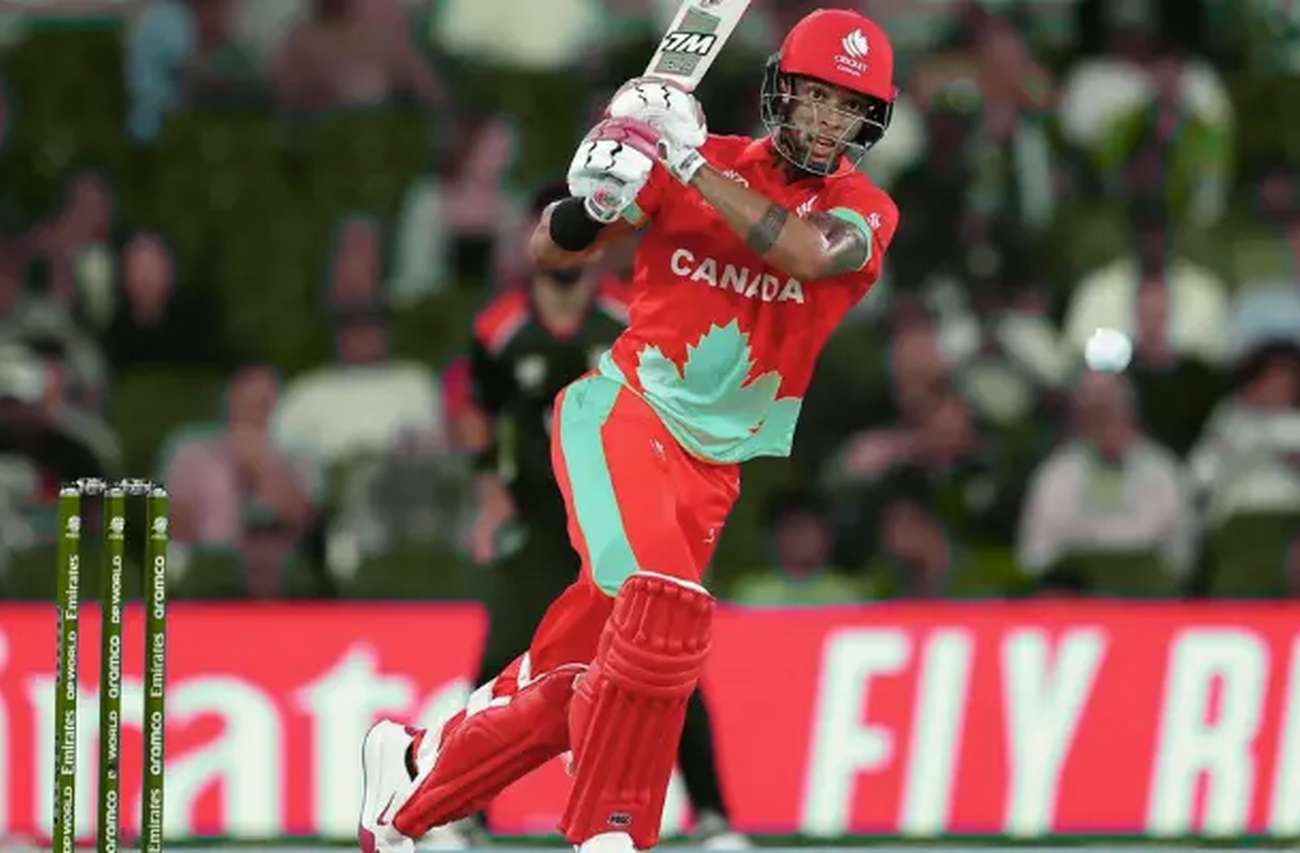
Nicholas Kirton is a prominent Barbadian-born Canadian cricketer known for his elegant left-handed batting and occasional off-spin bowling. As a …
Read more...