Trending Topics
How To Strengthen Cloud Data Security In Managed Services: Best Practices For Protection
Feb. 11, 2025, 3:18 p.m. | Santoshadmin
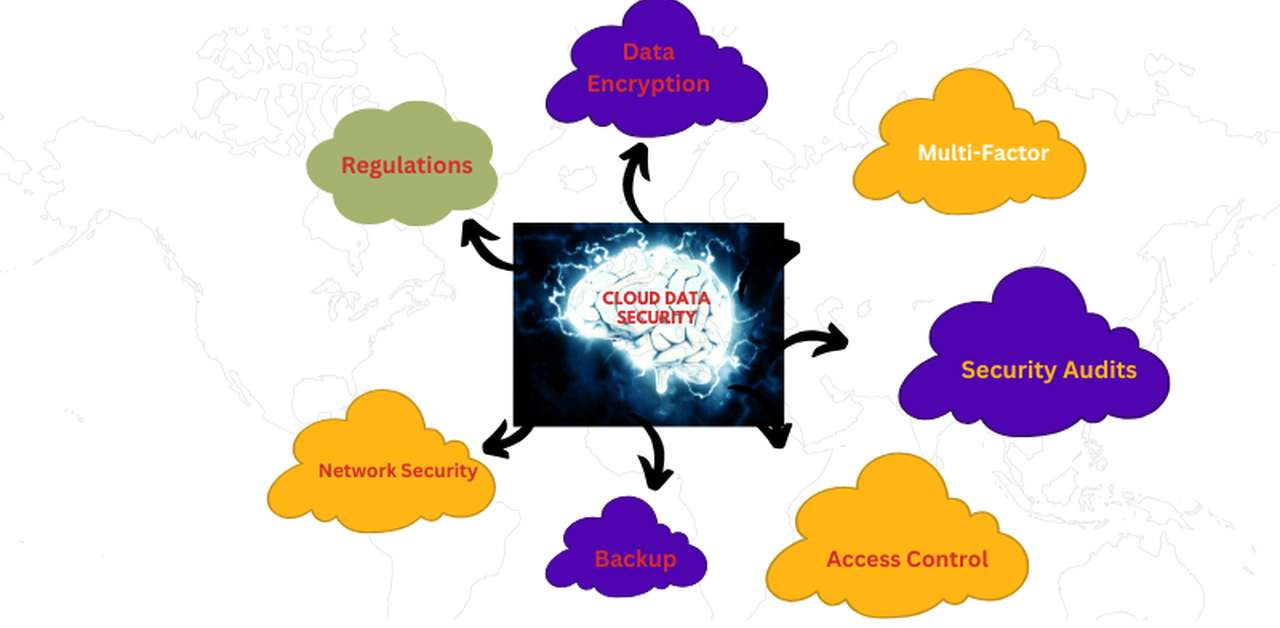
In today’s digital world, cloud computing has transformed how businesses store, manage, and process data. Cloud technology offers companies flexibility, scalability, and cost-efficiency, but it also raises significant concerns about data security. With sensitive business and customer data hosted in cloud environments, the risks of data breaches, unauthorized access, and cyberattacks have increased. For organizations relying on managed services, strengthening cloud data security is crucial to safeguard against these threats and ensure compliance with industry regulations.
In this blog post, we’ll explore various strategies for enhancing cloud data security within managed services, ensuring a robust protection plan that covers everything from encryption to regular audits.
1. Data Encryption: The First Line of Defense
Encryption serves as the cornerstone of cloud data security. It ensures that even if an attacker manages to intercept data during transfer or access stored data, they cannot read it without the decryption key. Managed service providers (MSPs) should implement end-to-end encryption to protect data in transit and at rest. This means encrypting files before they are sent to the cloud and ensuring the storage system also encrypts them at rest.
Using strong encryption protocols like AES-256 ensures that data remains unreadable to unauthorized individuals, preventing breaches even if the data is accessed maliciously.
2. Multi-Factor Authentication (MFA)
MFA is a security mechanism that requires multiple forms of identification before granting access to sensitive data. This extra layer of protection makes it far harder for cybercriminals to gain access, even if they manage to steal a password. By requiring more than just a password—such as a security token, fingerprint scan, or a code sent to a mobile device—MFA drastically improves security.
In managed services, enforcing MFA across all cloud-based applications and data access points is essential. This helps protect both users and sensitive data from unauthorized access due to compromised credentials.
3. Regular Security Audits and Vulnerability Assessments
Even the best cloud security practices can be ineffective if vulnerabilities are not regularly assessed. Regular security audits are vital for identifying potential gaps in security measures. Managed service providers should conduct frequent vulnerability assessments to identify weaknesses in their infrastructure, applications, or user access policies.
These audits can be done by internal teams or through third-party security experts who can provide an objective analysis. Additionally, patch management should be incorporated into the process, ensuring that security patches for software and systems are installed promptly.
4. Access Control and Identity Management
Restricting who can access cloud data is vital to protecting sensitive information. Implementing role-based access control (RBAC) allows organizations to assign permissions based on user roles, ensuring employees only have access to the data they need to perform their tasks. By limiting access, MSPs can reduce the likelihood of internal threats and minimize the potential damage caused by compromised accounts.
Moreover, integrating identity and access management (IAM) systems with cloud services ensures secure login processes and helps to monitor and log access attempts. This provides an audit trail that can be invaluable if a security incident occurs.
5. Backup and Disaster Recovery Plans
Data loss is a significant risk in cloud environments, whether due to a cyberattack or a technical failure. To ensure business continuity, MSPs must implement comprehensive backup and disaster recovery (DR) plans. These plans should involve regular backups of critical data to secure, geographically dispersed locations.
A robust DR plan ensures that in the event of a data loss or breach, business operations can continue with minimal disruption. It is also essential that backups are encrypted and stored in a secure environment to maintain the integrity of the data.
6. Network Security Measures
Protecting cloud data isn’t just about safeguarding the data itself; it also involves securing the network infrastructure through which data travels. Firewalls, intrusion detection and prevention systems (IDPS), and secure VPNs are essential network security measures. These tools monitor and block any unauthorized traffic or suspicious activity, preventing cybercriminals from gaining access to cloud resources.
Network segmentation can also help reduce the risk of attacks. By segmenting cloud networks into isolated subnets, MSPs can contain breaches to specific areas of the network, minimizing overall exposure.
7. Compliance with Industry Standards and Regulations
In many industries, businesses are required to comply with strict data protection laws and regulations, such as the GDPR in Europe, HIPAA in healthcare, or PCI DSS for financial services. Failure to comply with these regulations can lead to heavy fines and damage to a company’s reputation.
Managed service providers should ensure that all cloud data security practices align with these standards. This can involve ensuring that proper data encryption, access controls, and regular audits are in place, all of which are requirements for compliance.
8. Employee Training and Awareness
Human error is often the weakest link in the security chain. Employees must be educated about the importance of cloud data security and the specific measures in place to protect it. Regular training should cover topics like phishing scams, password hygiene, and recognizing suspicious activities.
By promoting a security-aware culture, businesses can mitigate the risks associated with social engineering attacks and other forms of exploitation.
Conclusion
In conclusion, strengthening cloud data security in managed services requires a multifaceted approach. By implementing strong encryption, multi-factor authentication, access control, regular audits, and robust backup and disaster recovery plans, businesses can better safeguard their sensitive data in the cloud. Additionally, aligning with industry regulations and ensuring employees are well-trained can further protect against potential threats. With these measures in place, organizations can enjoy the benefits of cloud technology without sacrificing security.
Securing cloud data should always be a priority for managed services providers. After all, the integrity of your data is crucial to the success and trustworthiness of your business.
None
None
None
None
Related Posts

The Super Bowl The Ultimate Championship Showdown
The Super Bowl has long been more than just a sporting event—it’s a cultural spectacle that brings together athletes, entertainers, …
Read more...

How To Save Money On Groceries: Smart Shopping Tips & Online Deals
Groceries are a significant part of every household's budget, but with the right strategies, you can cut costs without sacrificing …
Read more...